
Meliponary implementation
Design, structures, species selection and installation of colonies.
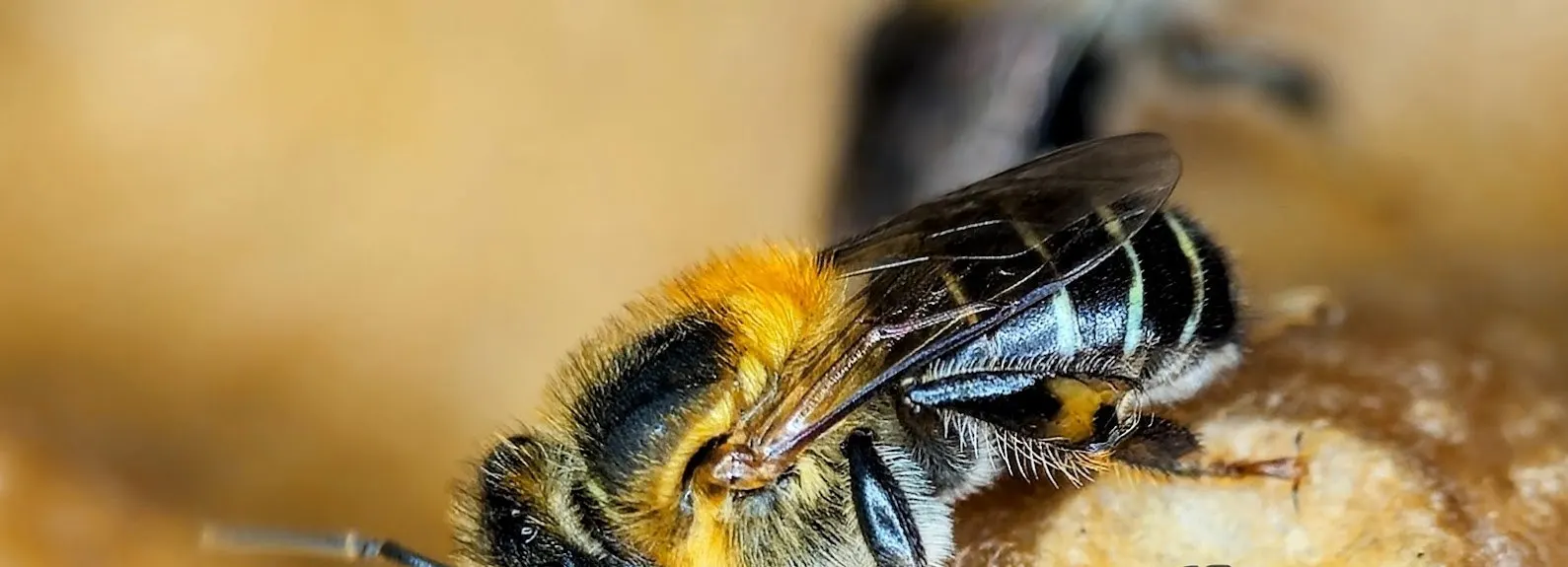
AD goes beyond licensing: we run environmental-education and conservation projects in meliponiculture, the rearing and management of native stingless bees (ASF), an activity regulated by CONAMA Resolution No. 496/2020.
120M
years of bee evolution
250+
stingless-bee species in Brazil
90%
of Atlantic Forest tree species depend on animal pollination
~88%
of flowering plants depend on animal pollinators
Sources: Ollerton et al. (2011); FAO; Instituto de Pesquisas da Mata Atlântica.
"Brazil records more than 250 stingless-bee species of the Meliponini tribe, the largest known diversity of the group. About 90% of Atlantic Forest tree species depend on animal pollination (Instituto de Pesquisas da Mata Atlântica)."
Brazil records more than 250 stingless-bee species of the Meliponini tribe, the largest known diversity of the group. About 90% of Atlantic Forest tree species depend on animal pollination (Instituto de Pesquisas da Mata Atlântica).
Meliponiculture is the managed rearing of native stingless bees (ASF), from the Meliponini tribe. They are native pollinators of Brazilian biomes and, having no functional sting, can be safely managed in areas with public and children.
For companies and developments, the program delivers pollination services, engagement of staff and surrounding communities and documented evidence of ESG commitments, with periodic technical reports.
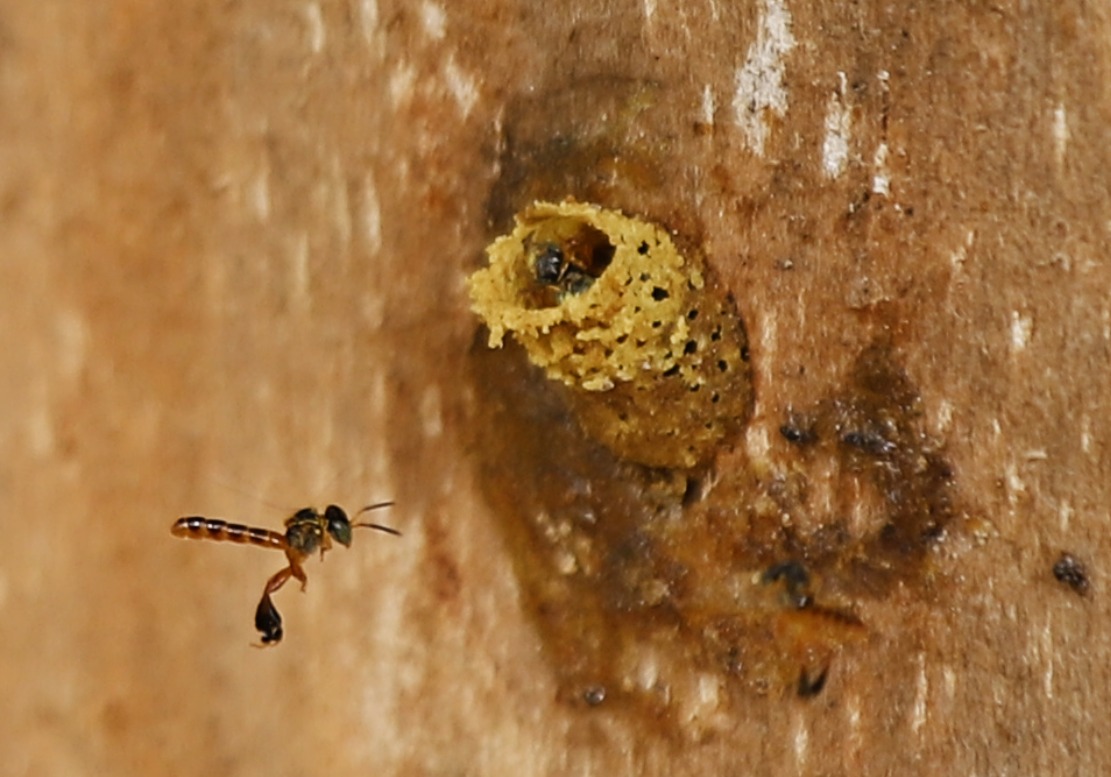
Design, structures, species selection and installation of colonies.
Periodic technical visits with colony follow-up reports.
Interpretive trails, environmental signage and a solitary-bee hotel.
Basic meliponiculture course with field practice for teams and community.
Relocation of nests identified during ASV, integrating licensing and conservation.
Biodiversity applied to corporate social-environmental targets.
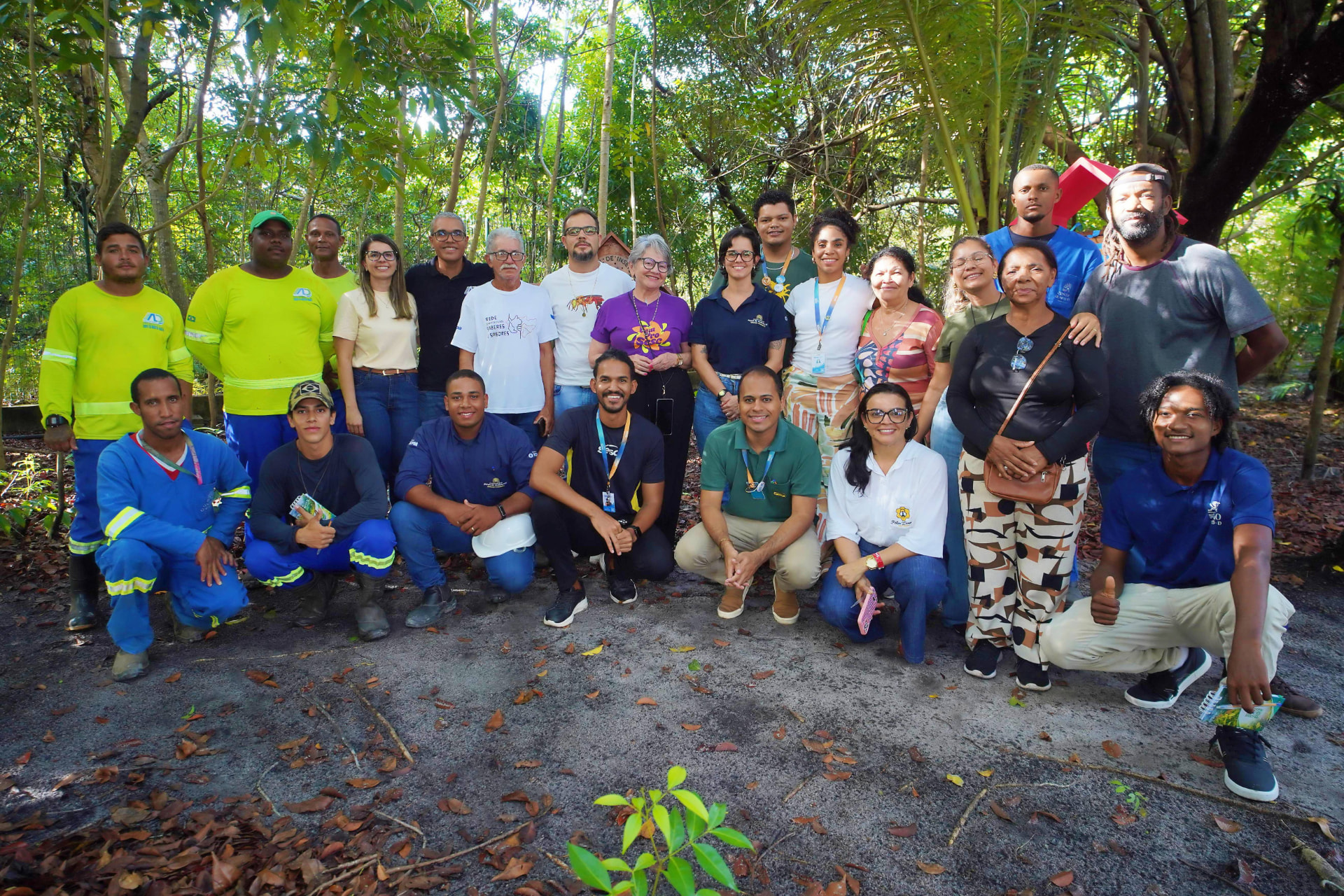
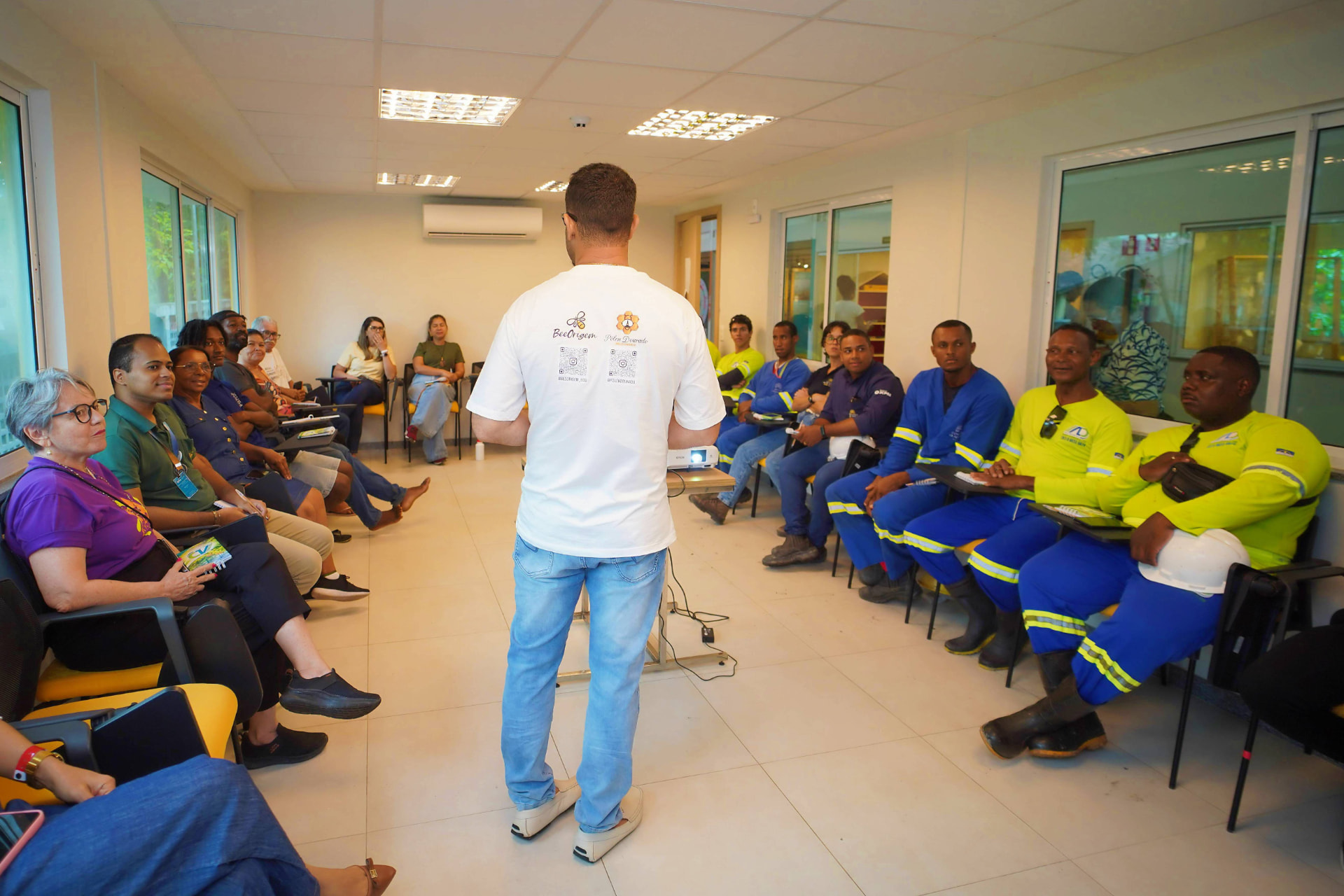

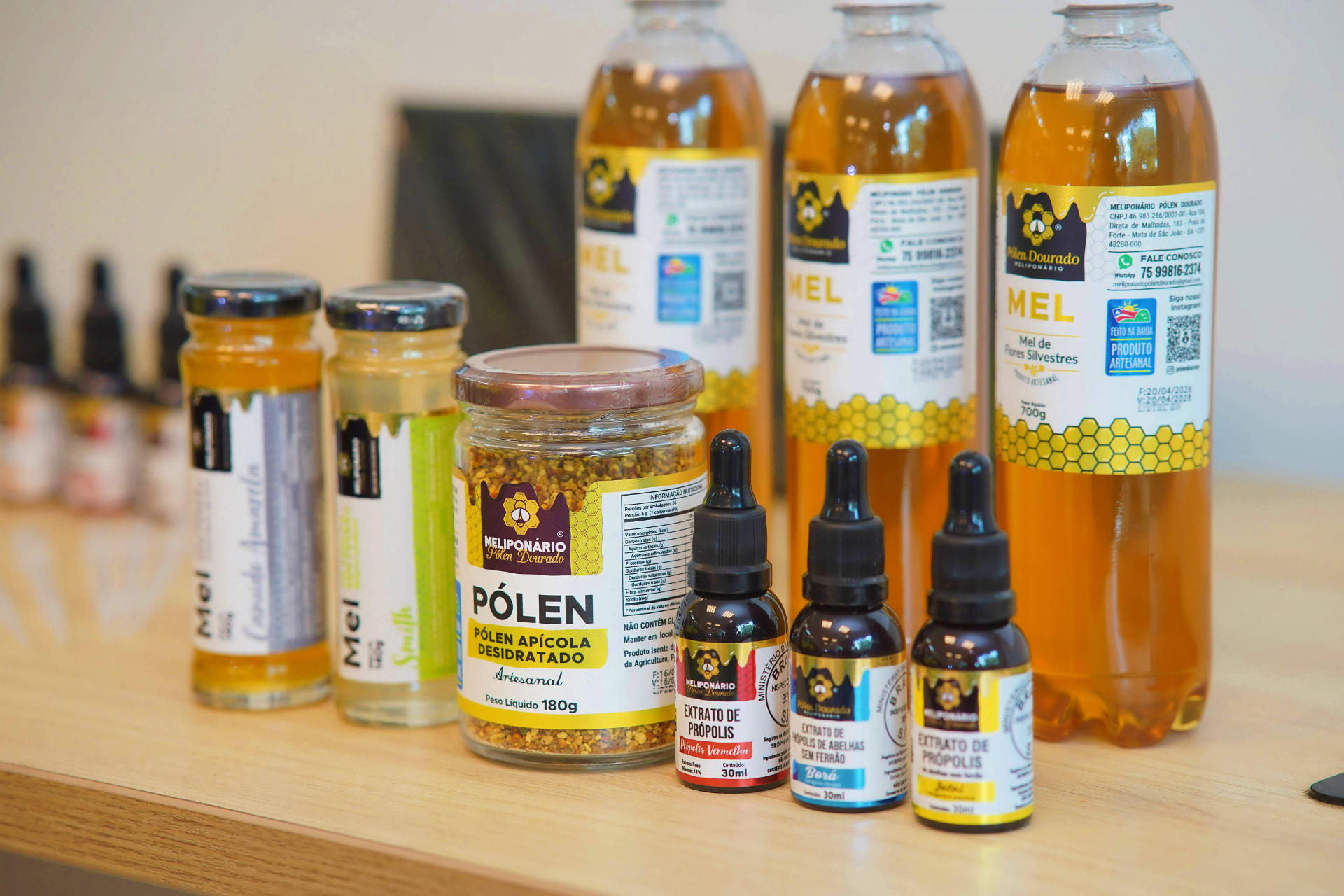
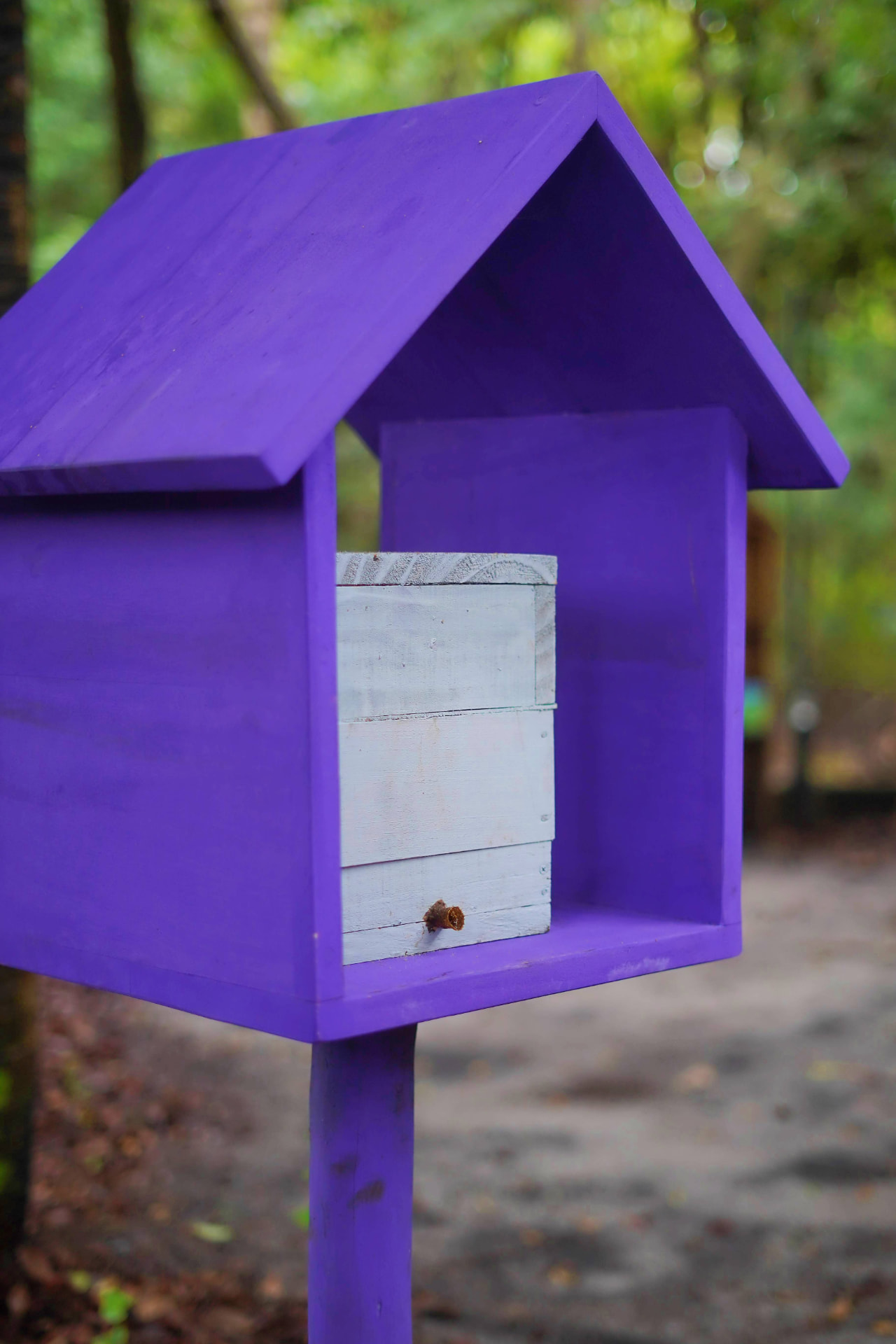
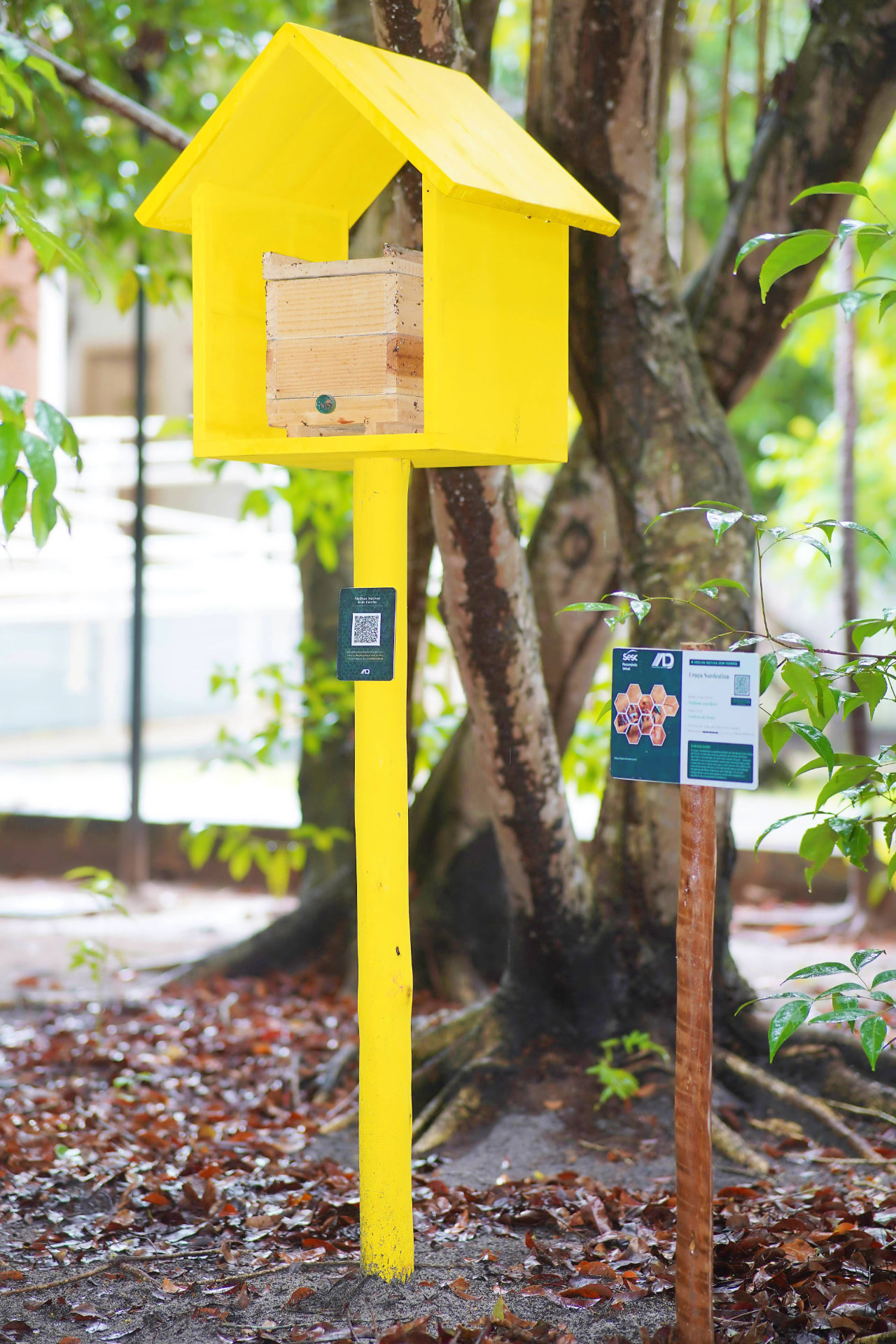
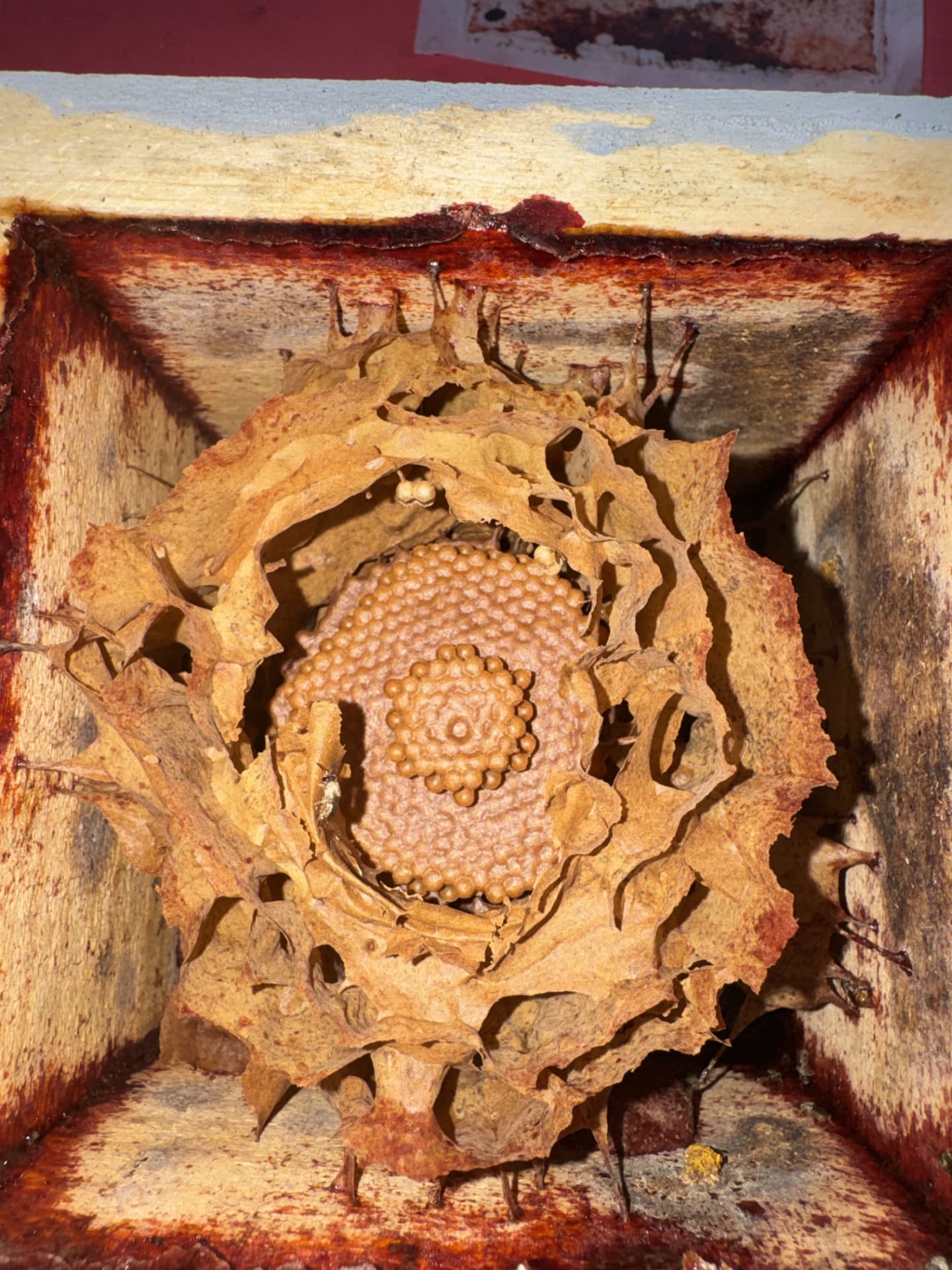
Formação promovida com o apoio do Pólen Dourado, empresa especializada em meliponicultura e meliprodutos.
The program is built on recognised technical and regulatory references: ICMBio guidance on pollinator conservation, Embrapa publications on rearing and managing native bees, CONAMA Resolution No. 496/2020 governing the use and management of native stingless bees, FAO reports on agriculture's dependence on pollinators, and A.B.E.L.H.A. materials on pollinator biodiversity.
We start with a feasibility assessment: suitable species, available area, audience involved and project objectives.